Biohazard Cleanup
Removal and disinfection of blood, body fluids and other infectious material from any property.
See biohazard cleanupAn unsafe space affected by sewage, blood, bodily fluids or another biological hazard should remain off limits to people. Seek clear next steps right away. Work can start once law enforcement or the responsible officials release the area.
Emergency biohazard cleanup urgently controls and removes biological contamination, then cleans and disinfects the affected space. It applies to human waste, blood, bodily fluids and other material that could cause illness or injury through exposure.
Emergency cleanup may be necessary after an unattended death or crime scene, as well as a trauma, accident, sewage backup or substantial blood spill. The initial priority is stopping biological contamination from spreading beyond the affected space. Technicians locate the impact, establish isolation and organize a safe order for each cleanup task.
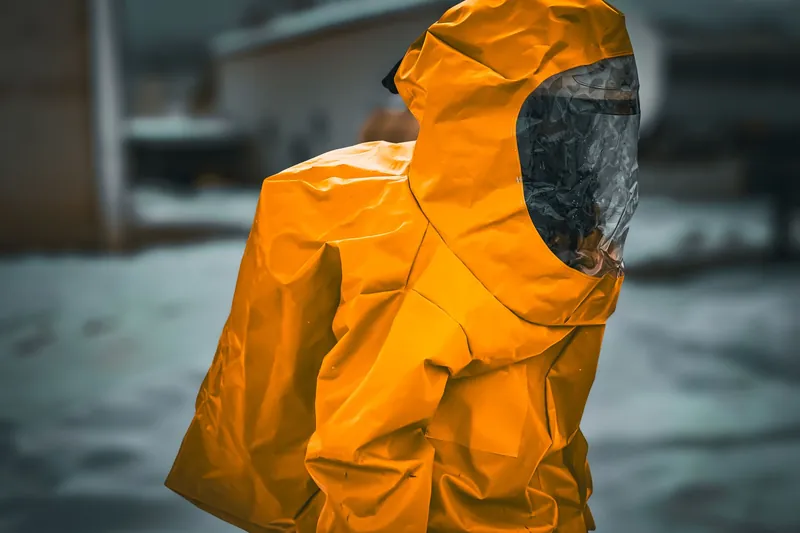
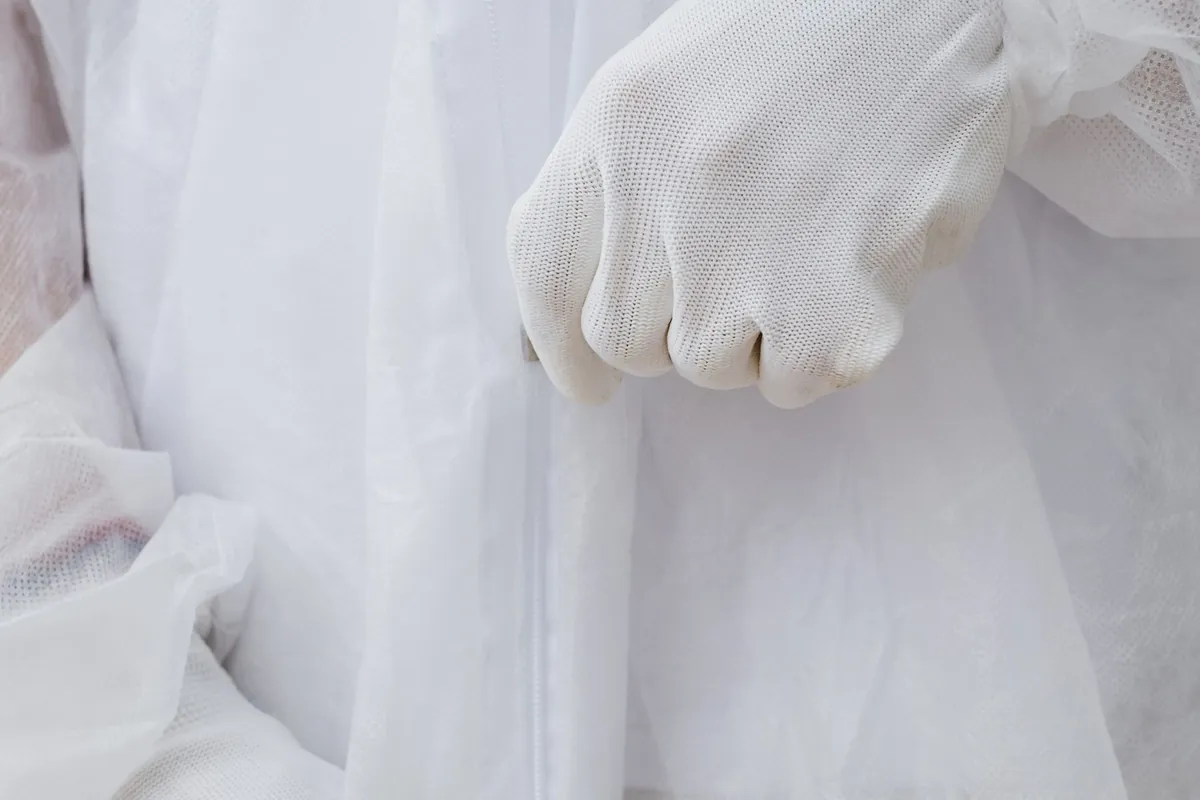
Visible dirt may come off with ordinary cleaning, but biohazard remediation requires more. Workers use protective equipment and carefully remove contaminated material. They clean surfaces, apply an EPA-registered disinfectant for the entire label contact time, package hazardous waste, address odor and complete a final inspection. This work helps the space progress toward clean, normal use.
The cleanup process starts after you are told what can be cleaned, what could come out and why cost may change.
Your explanation of biohazard remediation to a property manager or insurance company may be supported by photographs, scope records and disposal documents.
You can report the event at any hour, receive safety directions right away and have entry, official release and cleanup needs reviewed.
The cleanup crew arrives in unmarked vehicles. Cleanup can remain separate and private from visitors, neighbors and portions of the building outside the affected area.
You may need emergency biohazard cleaning if biological material poses a serious health danger or may move into other parts of a house, workplace or vehicle. These are common examples:
Blood can enter porous layers and seams beneath floors, furniture or walls. Prevent anyone from entering, and avoid stepping in the spill.
Cleanup begins only after law enforcement releases the scene and confirms that evidence collection is complete.
An accident, suicide or violent event can leave affected areas, whether one space or several, with bodily fluids and material damage.
A sewage backup contains Category 3 black water. Cleaning, removal or drying may be necessary for walls, belongings and flooring.
Begin by keeping anyone from making contact or carrying contamination elsewhere. Follow these steps as you arrange for professional cleanup:
Call (888) 440-9227Published guides contain no emergency-specific cost range. General cleanup guides place typical national biohazard work at $3,000 to $5,000. They give $1,800 to $4,500 as the residential average and place most residential jobs at $2,500 to $8,000. Fixr's published overall span runs from $1,500 to $25,000. How urgently the work is needed can influence its final price.
Published national cost guides are the source for these ranges, rather than an inspection of your property. After an on-site assessment, the price for your property is determined and shared with you before cleanup begins.
Ask about cost: (888) 440-9227Biohazard cleanup may be covered by certain homeowners, commercial or renters policies after a sudden event that qualifies for coverage. The policy terms, cause, deductible and limits determine whether coverage applies.
Victims of violent crime, and anyone who paid crime scene cleanup costs, can ask the Connecticut Judicial Branch's Office of Victim Services, which lists crime scene clean-up among eligible expenses, about a compensation claim. Insurance is usually checked first.
The renter needs to contact the landlord or management for the property. Responsibility can depend on the cause, lease, policy and location of the contamination.
Retain the invoices, photos, waste paperwork, cleanup details, release of the scene and claim number. Confirm the adjuster's documentation requirements prior to any work that changes the scene.
Tell the insurance company what happened and ask whether cleanup, removal, odor treatment and later restoration fall within the claim.
A controlled sequence keeps affected material from being carried into uncontaminated spaces during an emergency response. Although each situation has different needs, cleanup generally moves through the steps below:
Cleanup technicians determine contamination type and map the affected area, then record materials, access restrictions and urgent safety issues.
Barriers separate the work zone from unaffected rooms. Crews select personal protection based on the job duties and type of exposure.
Crews remove fluids and contaminated material while preventing further transfer. When full cleaning is impossible, affected materials come out in contained portions.
Crews clear away visible contamination before applying disinfectant. This cleaning step lets the disinfectant reach the surface instead of sitting on debris.
Cleanable surfaces are treated with an EPA-registered disinfectant and kept wet for the full contact time stated on the label.
Sharps and contaminated materials receive secure containment, then move as required by medical or regulated waste standards.
After the source is removed, air scrubbers and other suitable treatments can address particles and odor in the room and nearby air paths.
The work area is checked for remaining contamination. For property owners, communication with insurance companies may be supported by waste documentation, work notes and photographs.
You can call anytime. Your emergency 24/7 biohazard cleanup specialist answers the phone, describes what happens next and works with you on a start time.
Serious health risks can come from sewage, sharps, blood and body fluids, regardless of whether the area seems dry or limited in size.
Exposure or skin cuts may result from needles, shattered glass and porous items carrying contamination. They need secure packaging and disposal under applicable waste rules.
A sudden biohazard can be upsetting, especially after a death or traumatic event. Ask someone you trust to manage access while you remain away from the area.
Blood may carry hepatitis B, hepatitis C or HIV. Because the CDC says hepatitis B remains viable on surfaces for at least seven days, you should still use care around dried blood.
Can you clean it yourself? Cleaning a few drops of fresh blood from non-porous, hard material may be possible with single-use gloves and disinfectant registered by the EPA, applied for the full labeled contact time. Seek professional cleanup if the source or full spill cannot be identified, or when sharps or porous materials are involved.
A surface is cleaned and kept when it can be reached and fully disinfected. Porous material is removed when contamination has soaked beyond effective cleaning.
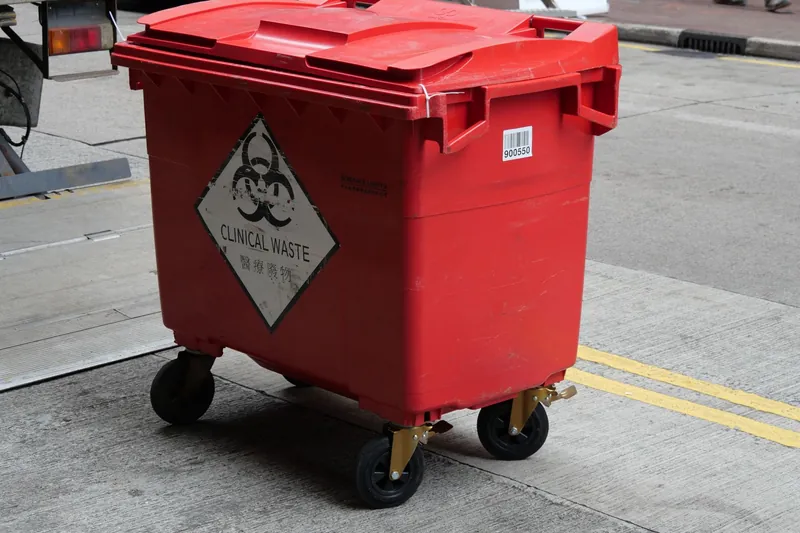
Emergency biohazard cleanup has no set duration. Its timing is shaped by the contamination type, how many areas are affected and which materials are involved. Hidden layers reached by fluids and the timing of the scene release also affect the schedule.
| Scene | Typical time on site |
|---|---|
| Small surface area on hard material | May be completed in one work period after assessment |
| Porous materials removed from a single room | May require several stages for removal, cleaning and inspection |
| More than one room, building material impact or odor | May take several work sessions before the restoration phase can begin |
The source of contamination must first be located and removed to address odor. Spraying a surface or adding fragrance cannot fix fluids hidden inside furniture, behind walls or below flooring. Air treatment should begin only after affected materials are cleaned or taken out.
Airborne particles can be filtered by HEPA air scrubbers in a controlled work zone. Hydroxyls may suit certain occupied environments. Ozone, however, needs the controlled space to be empty and requires care before reentry. The source, materials affected and paths through the air determine which approach fits. When odor could have moved beyond the immediate area, HVAC openings are inspected.
The full emergency 24/7 biohazard cleanup guide covers what is cleaned or removed, odor and air quality work, and the rules that apply in Connecticut.
Read the full emergency 24/7 biohazard cleanup guideContainment, entry and cleanup plans can be influenced by local housing, population and access details.
In an area with 22.1% renter occupancy, direct homeowner approval can simplify choices about opening walls or replacing affected finishes.
The local median build year is 1955, which makes controlled removal important when contamination reaches fragile or absorbent finishes.
There are 94 seniors living alone locally, making simple welfare check plans useful even when the overall share is lower.
The 85.7% single-family share means odor may move through connected rooms and ventilation even without shared walls between households.
During your call, ask whether cleanup is available in surrounding communities and ZIP codes.
Removal and disinfection of blood, body fluids and other infectious material from any property.
See biohazard cleanup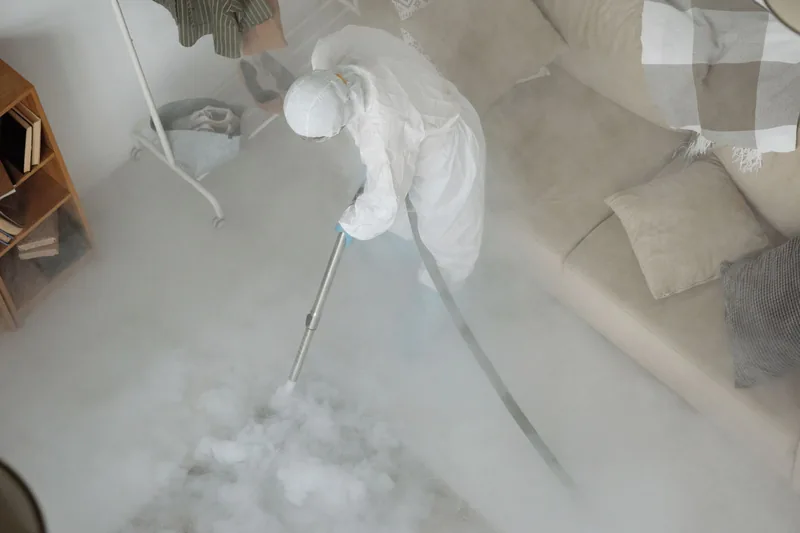
Full decontamination of rooms, surfaces and air after infectious or hazardous exposure.
See biohazard decontamination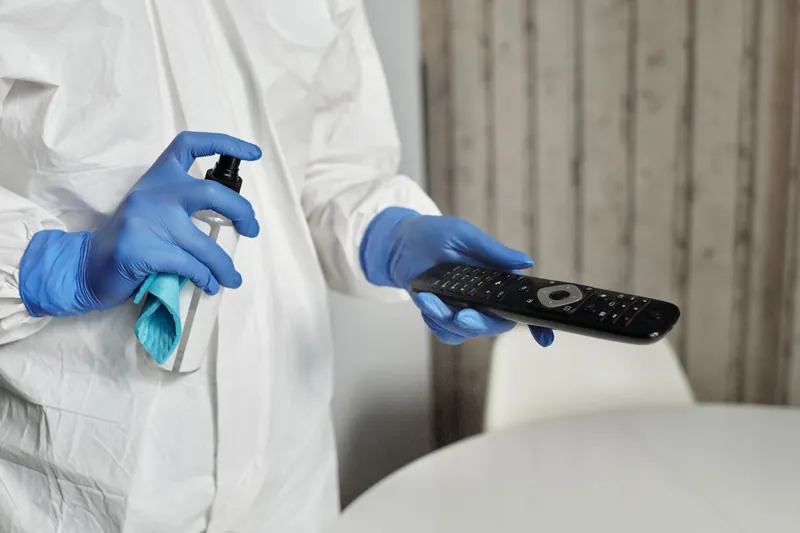
A contaminated space is restored to safe use through biological remediation and contaminant removal.
See biohazard remediation
Blood cleanup on carpet, hard floors, walls and furniture with safe disposal.
See blood cleanup
Trauma scene cleanup addresses the aftermath of accidents, injuries and violent incidents.
See trauma scene cleanup
Crime scene cleaning after police release the property, from blood to odor.
See crime scene cleanup
Decomposition cleanup and odor control are needed after a death goes unnoticed for several days.
See unattended death cleanup
Raw sewage cleanup treats Category 3 black water and includes both drying and disinfection.
See raw sewage cleanupLeave the spill area and restrict entry, calling 911 when medical assistance is needed. Avoid contact with blood and sharp objects, do not reenter a controlled scene before law enforcement releases it, use the correct workplace exposure channel and organize cleanup. Avoid crossing the affected area or trying to clean it with household methods.
Certain bodily fluids and blood, along with sewage, human waste, sharps or materials they contaminate, may present biohazards. Source, volume, affected material and possible means of contact all influence the risk. When you do not know the source or full boundary, keep people away and seek guidance before touching or cleaning anything.
Cleaning the property is not performed by police, the medical examiner or emergency personnel after they finish their roles. The property owner, family, landlord or another responsible party arranges death cleanup after release of the scene. A professional cleanup team can remove contamination, disinfect surfaces, treat odor and document the work.
Timing is based on what contamination exists, which materials and rooms are affected, and if fluid has reached walls, furniture or areas beneath flooring. A small hard-surface area may take one work period. Porous removal, odor work or several affected rooms can require multiple stages before the area is ready for restoration.
A few fresh drops of your own blood on a hard, non-porous surface may be manageable with gloves and a suitable EPA-registered disinfectant used for its full contact time. Leave cleanup to professionals if you cannot identify the source or full spill area, or when sharp objects or porous surfaces are involved.
Yes. Even when dry, blood must be considered potentially infectious. The CDC says hepatitis B can survive on surfaces for at least seven days. Scraping, vacuuming and sweeping should be avoided to keep material from spreading. For contamination beyond one small surface mark, keep people back and seek proper cleaning.
Crews carry out respectful, discreet emergency 24/7 biohazard cleanup, arrive in unmarked vehicles and take calls 24 hours a day.